
Brand activation ideas give startups a practical way to turn a brand message into an experience people can see, try or join. In 2026, the most effective ways to use experiential marketing are not about chasing novelty for its own sake. A successful brand activation suits the target audience, creates meaningful engagement, and guides potential customers towards a clear next step that leaves a lasting impression.
We have gathered ten adaptable activation ideas for brands that want to launch a product, build a community, raise awareness or create authentic engagement. Each can complement wider marketing strategies and marketing campaigns, and be scaled to match the goal, budget and available resources, so a business can focus on relevance rather than spectacle:
- Open a pop-up showroom or product launch
- Run a hands-on workshop or masterclass
- Build an interactive product demonstration
- Create a sampling or trial event
- Partner with a complementary local brand
- Host a founder-led community event
- Launch a user-generated content challenge
- Offer a limited-time personalised experience
- Take the activation online with a live hybrid event
- Build a referral or loyalty activation
What brand activation means for a startup in 2026
Create an experience people can take part in
Brand activations are focused campaigns or experiences that invite people to interact with a brand directly. Awareness activity helps a business get noticed; brand activation campaigns give audiences something to do. A customer might try a product, join a workshop, attend a launch, share a creative response or refer a friend. The aim is to engage audiences through action rather than passive exposure.
That distinction matters because participation can build an emotional connection. A large crowd is not automatically success. The experience should suit the audience and connect to an appropriate next step, such as an enquiry, trial or purchase. A memorable experience can support customer loyalty and longer-term brand loyalty without assuming instant results.
A strong activation does not need to be enormous; it needs to be relevant, participatory and easy to act on.
Find a Workspace That Supports Your Growth
Give your business a professional base where you can work, collaborate and connect with other entrepreneurs. Explore flexible Office Spaces for your team or secure one of Workit Spaces’ Dedicated Desks for a consistent place to focus. Call us today – (02) 9381 9100
How to choose the right brand activation idea
Start with the goal, audience, and next action
Before selecting a format, the marketing team should decide what the activation needs to achieve. A product trial calls for a different experience from a founder networking event, while a content challenge needs a different follow-up from a showroom launch or lead generation campaign. Keeping the focus narrow makes the ideas easier to plan and measure.
- Define the target audience you want to reach and why the experience will matter to them.
- Choose one primary action for participants to take during or after the activation.
- Check the budget, staffing, timing, location, accessibility and follow-up requirements.
- Select a few measures that connect directly to the original objective.
Top 10 brand activation ideas to help you grow
From pop-up showrooms and hands-on workshops to hybrid events and loyalty campaigns, these activation ideas can help startups create meaningful brand experiences, encourage audience participation and support long-term customer engagement.
1. Open a pop-up showroom or product launch
Turn product discovery into participation
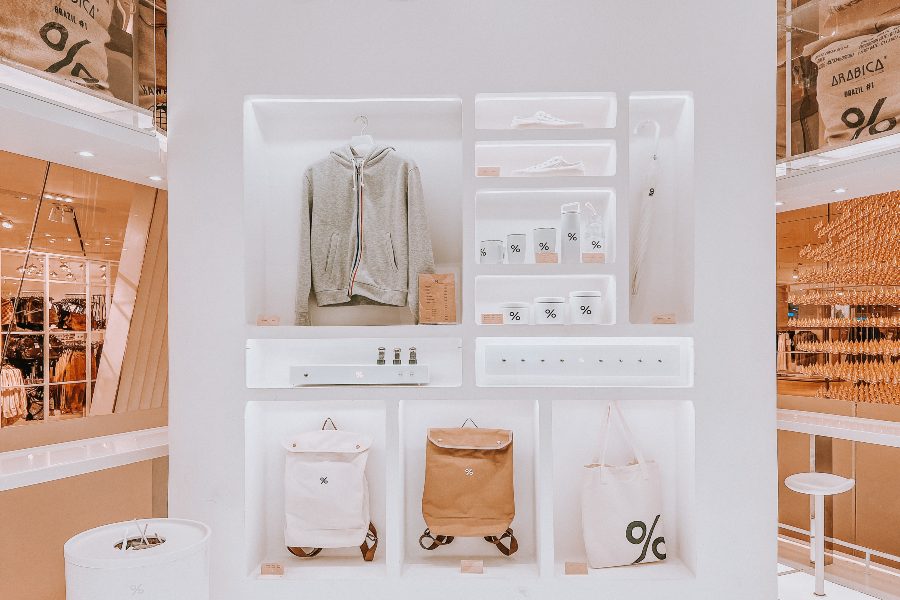
A pop-up shop or showroom can give an e-commerce startup something its online store cannot: a focused opportunity for customers to see, handle and discuss a product in person. The pop-up works best when foot traffic is treated as the beginning of a simple journey, from discovery and a product demo to questions and a clear next action.
Keep the experience centred on the product rather than filling the space with unrelated activities. Timed demonstrations, short founder Q&As or guided comparisons can help people understand the offer. For startups considering a showroom or event setting in Alexandria, Workit Spaces can be part of the venue conversation, subject to current availability and requirements.
2. Run a hands-on workshop or masterclass
Teach one useful skill
A workshop allows founders or industry experts to engage audiences by helping people achieve something useful. The topic should be narrow enough for practical problem-solving in one session and close enough to the brand’s offer that the connection feels natural. An e-commerce business might teach product care, styling or setup; a service business might solve one common operational problem.
Keep the lesson at the centre of the event. The session can be fun without losing focus. Introduce the brand briefly, use relevant examples and provide a proportionate next step, such as joining a mailing list or booking a conversation. A meeting room or flexible workshop space can support the session, but capacity, equipment and other venue needs should be confirmed before promotion.
3. Build an interactive product demonstration
Let people experience the value first-hand
An interactive product demo is a powerful tool because it lets people experience value. Participants might compare options, scan a QR code or use augmented reality to preview a result. Virtual reality can support immersive experiences, but technology should spark curiosity and increase engagement without overshadowing the product.
Design the demonstration for newcomers, allowing attendees to follow clear instructions and ask staff questions. If contact details or feedback are collected, explain why and ask for consent. A showroom, event venue or creative space can provide the physical setting, but the brand remains responsible for planning the participant journey and operational requirements.
4. Create a sampling or trial event
Make the sample lead somewhere
Free samples are a great example when the trial starts a relationship. A coffee brand could invite consumers to taste a new flavour, while a branded vending machine could make collection interactive. Whatever the format, give the sample context and a useful next step.
A brief feedback prompt or optional follow-up can help the marketing team understand event impact. Collect only the event data needed for a useful learning opportunity, and keep the process quick and transparent. Brands should also confirm any food, product, health, safety or other compliance requirements that apply to their activation before finalising the concept.
5. Partner with a complementary local brand
Build a shared audience offer
Two non-competing brands can create a stronger experience when they serve similar audiences and bring different value to the same idea. A collaboration might combine a product demonstration with expert advice, a workshop with a curated product bundle, or a community event with a useful shared theme that reflects what each brand stands for.
Agree on the purpose before discussing promotion. Both partners should understand their responsibilities, costs, audience communications, data handling and follow-up. Influencer marketing can support the invitation when it is relevant, but the result should still feel like one coherent experience rather than two sales pitches competing for attention.
Build a Professional Presence on Your Terms
Your business does not need a permanent workspace to establish a professional presence. Compare Workit Spaces’ Virtual Offices or book a flexible Day Pass when you need a productive place to work in Alexandria. Reach out to us today: (02) 9381 9100
6. Host a founder-led community event
Lead with value and conversation
Live events can make a young brand accessible when discussion focuses on a challenge the audience cares about. Whether a one-off or annual event, a panel, roundtable or office-hours session works best with a specific topic and useful conversation that gets people talking, not a long sales presentation.
Create room for questions and peer conversation, then offer a light follow-up for attendees who want to continue. Coworking, event and creative spaces can suit this kind of gathering because the format is built around participation, but the size and setup should be matched to the programme.
7. Launch a user-generated content challenge
Give participants a clear creative prompt
A user-generated content challenge invites customers to share their own content on social media platforms. Keep the prompt simple. A product use, styling idea or event response paired with a brand hashtag can get people excited, spark curiosity and encourage social sharing more effectively than an open-ended request to ‘be creative’.
Set out the participation terms, incentive, permissions and moderation approach clearly. A physical activation can give people a useful setting for creating content, but avoid treating social media buzz or virality as guaranteed. The stronger goal is relevant participation and reusable customer insight, handled with appropriate consent across social media.
Important: If you offer prizes or giveaways, make sure the campaign follows any relevant promotion requirements and the rules of the platforms where people enter or share content. Clear participation terms can help avoid confusion for both your business and participants.
8. Offer a limited-time personalised experience
Keep personalisation simple and visible
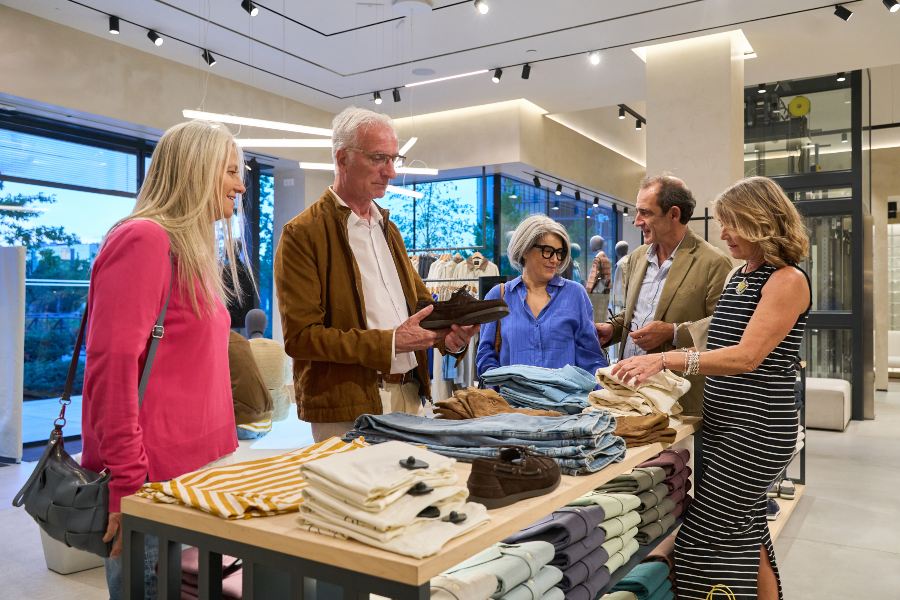
Personalisation can create a unique and memorable experience when the choice is easy to understand and deliver. Depending on the brand, this could involve product configuration, styling guidance, engraving, tailored recommendations or a small set of custom options. When each person can make a simple choice, the activation can add emotional impact without overwhelming the product.
Set clear boundaries around available choices, production time, collection and fulfilment. A pop-up showroom or creative setting may provide visibility to the process, but confirm equipment and service needs separately. Do not assume a venue provides production support unless that has been agreed.
9. Take the activation online with a live hybrid event
Connect the room with the online audience
A hybrid event can extend participation beyond the people in the room, but it needs two connected audience journeys. In-person guests should be able to engage with the speaker or product, while remote viewers need a clear way to follow, ask questions and take part rather than simply watching a distant room.
Live demonstrations, polls, moderated questions and useful follow-up content can connect the two groups. Confirm connectivity, filming, sound, staffing and production requirements before selecting the venue. These details should be planned rather than assumed to be included.
10. Build a referral or loyalty activation
Reward the next meaningful action
An activation does not have to end when the event closes. A referral or loyalty idea can turn a positive experience into repeat engagement and support customer loyalty. Choose one meaningful action to reward, such as a repeat purchase, a qualified referral or participation in a follow-up session.
Keep the incentive commercially realistic and the terms easy to understand. Brand loyalty is earned over time, so decide how referrals, redemptions or repeat actions will be tracked before launch.
How do you measure the success of a brand activation idea?
Choose metrics before launch
Measurement begins with the objective. For product trial, track demonstrations or samples with follow-up. For community, assess attendance, participation and conversation quality. For lead generation, focus on consented contacts. Event data should explain event impact; foot traffic alone does not show success.
- Participation: registrations, attendance, demonstrations completed, trials or workshop activity.
- Business action: consented leads, qualified enquiries, purchases, referrals or repeat engagement.
- Learning: participant feedback, common questions, operational issues and useful follow-up insight.
After the activation, review which audience responded, what the follow-up produced and what should change. A few relevant measures reveal more than a dashboard disconnected from the goal.
Bring Your Brand Content to Life
Turn your next campaign, product launch or creative concept into polished content in a purpose-built setting. Book one of Workit Spaces’ Photography Studios for visual content or use the Podcast Studio to record conversations, interviews and branded audio. Call us – (02) 9381 9100
Brand Activation Ideas FAQs
What is an example of brand activation?
A product launch where guests try the product, speak with the team and take a clear next step is a straightforward example. The activation is the designed interaction that helps the audience understand the offer and respond.
How can a startup activate its brand on a small budget?
Start with a narrow audience and one useful activity. A focused workshop, demonstration or partner event is easier to manage than a large production. Use simple registration and follow-up to capture value from the experience.
How do you measure brand activation idea success?
Measure success against the objective. Relevant indicators include attendance, product trials, qualified enquiries, purchases, referrals, feedback and repeat engagement. Choose measures before launch so the activation and follow-up support the same goal.
What is the difference between brand activation and brand awareness?
Brand awareness is about being noticed or remembered. Brand activation asks the audience to participate or take action. Awareness brings people to the experience; activation gives them a practical reason to engage with the brand.
Turn your next brand activation idea into a real-world experience
The best idea is the one that fits the audience, objective and resources available. The most effective brand activations create engaging experiences that are useful, memorable and connected to a real customer need. Start with one clear action and plan the follow-up before adding production extras. That approach keeps activation ideas for brands grounded in relevance rather than novelty alone.